The History of Newcastle City
From the Roman crossing of Pons Aelius to the classical streets of Grainger Town — over 900 years of history, heritage, and the people who shaped this city on the Tyne.
900 Years at a Glance
The key moments that shaped Newcastle from a Roman crossing on the Tyne into a great regional city.
Roman Pons Aelius
The Romans built a fort and bridge over the Tyne known as Pons Aelius, at the eastern end of Hadrian's Wall. Traces of the wall still run through the modern city along the West Road.
The 'New Castle'
Robert Curthose, son of William the Conqueror, raised a wooden 'new castle' on the north bank of the Tyne. The fortress gave the city its name and marked the beginning of its recorded history.
Read the full story →Castle Keep & Black Gate
Henry II rebuilt the castle in stone, with the surviving Castle Keep completed in the 1170s. The fortified Black Gate was added in the 1240s, and both remain landmarks in the heart of the city.
Read the full story →The Medieval Walled Town
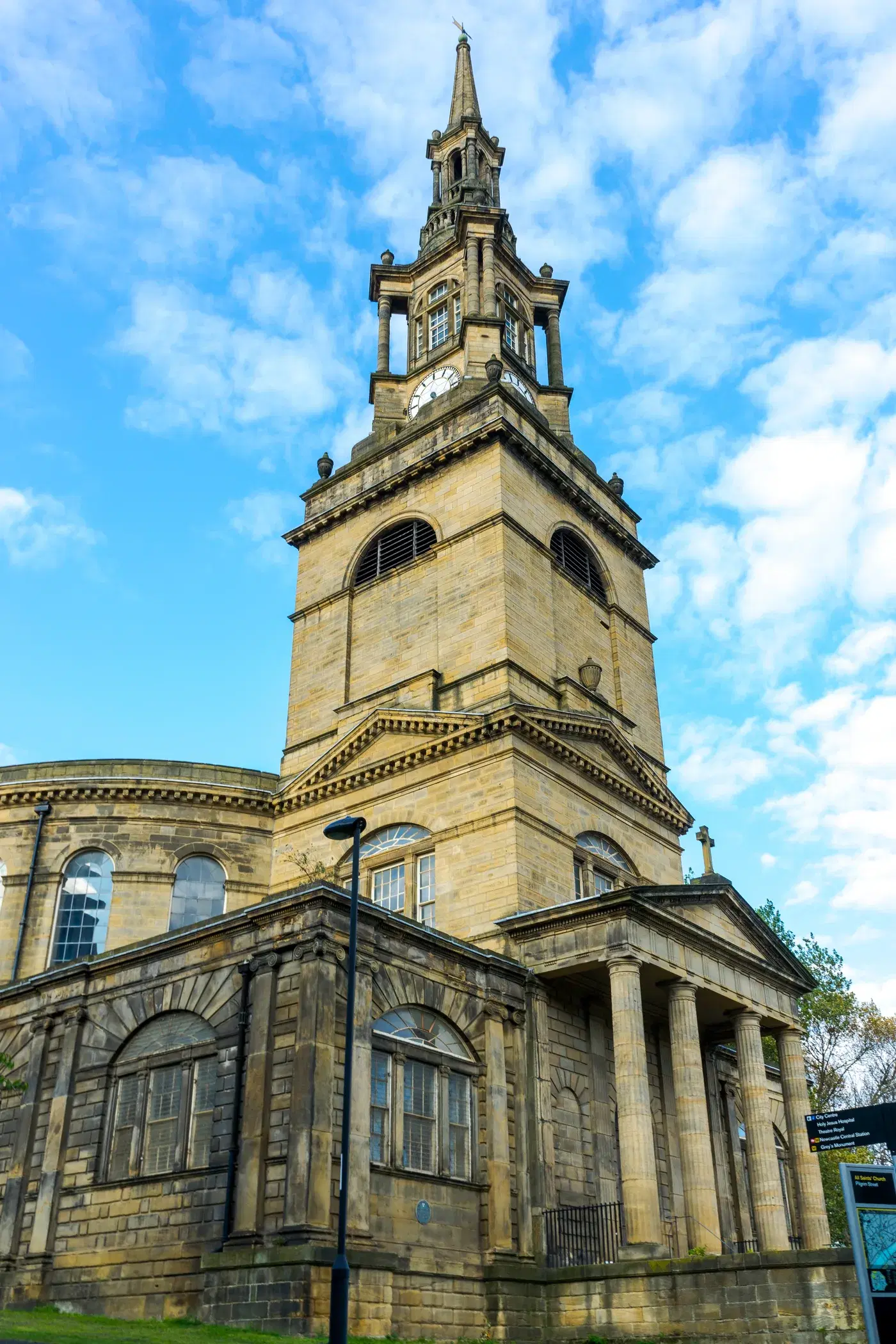
Newcastle grew into a walled town and busy trading port, its defences enclosing the medieval streets. St Nicholas' Church, later the Cathedral, rose with its distinctive lantern tower over the town.
Grainger Town
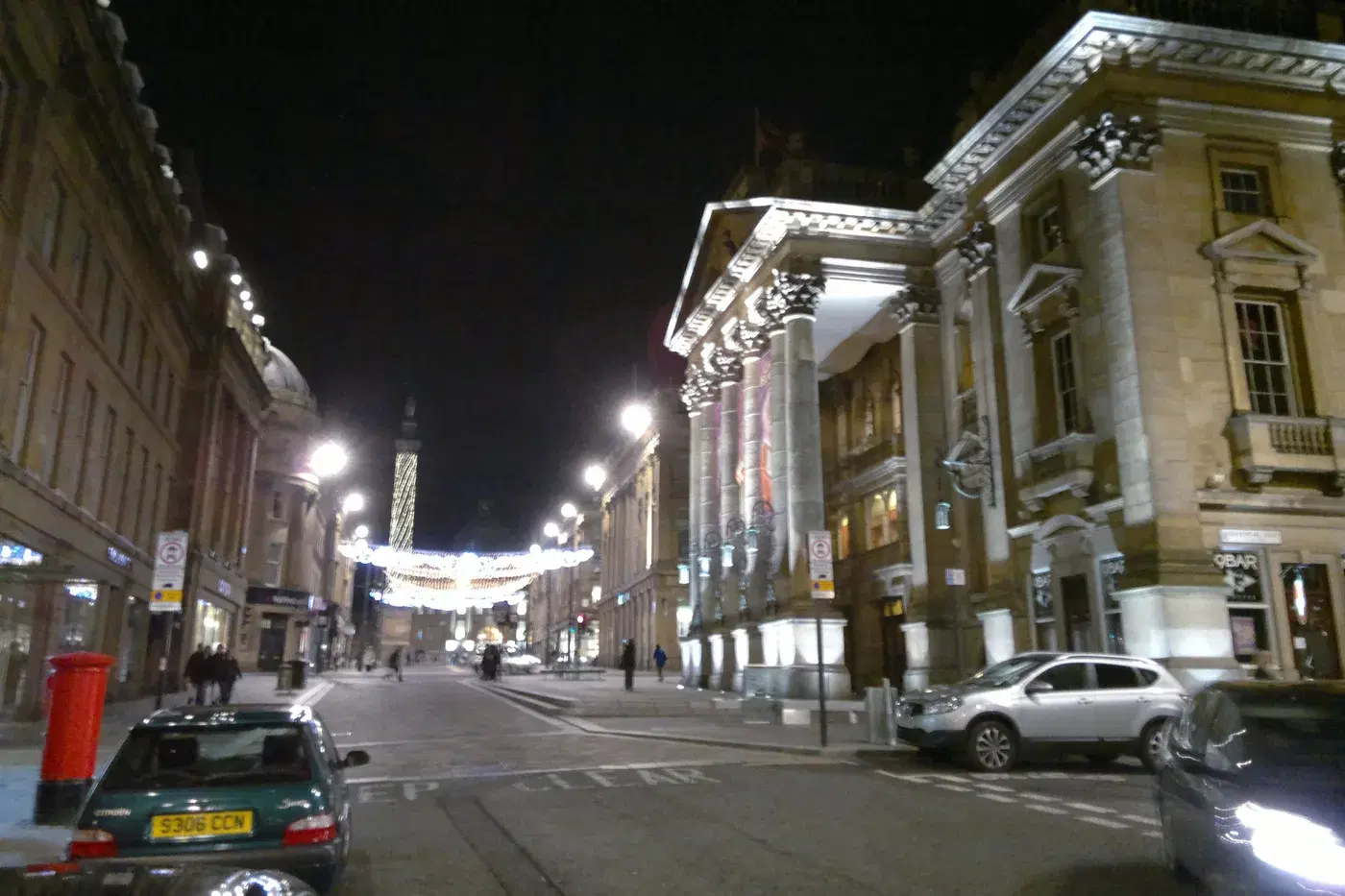
Builder Richard Grainger, architect John Dobson and town clerk John Clayton created one of England's finest planned townscapes — Grey Street, Grainger Street, the Grainger Market and the Theatre Royal. Grey's Monument was raised in 1838.
Read the full story →The Railway Age
Robert Stephenson's High Level Bridge opened in 1849, and John Dobson's Central Station followed in 1850, making Newcastle a hub on the East Coast route and a centre of railway engineering.
Read the full story →Industry and Invention
The Tyne became a centre of shipbuilding and heavy engineering, driven by works such as Lord Armstrong's. In Newcastle, Joseph Swan demonstrated his incandescent electric light bulb.
Read the full story →The Tyne Bridge
The Tyne Bridge opened in 1928, linking Newcastle and Gateshead across the river. Its great steel arch quickly became the enduring symbol of the city.
The Tyne & Wear Metro
The Tyne & Wear Metro opened in 1980, linking the city centre with the wider conurbation and stations such as Monument, Central Station and Haymarket beneath the streets of Newcastle.
A Regenerated City
Heritage-led regeneration has renewed Grainger Town and the Quayside, where the Gateshead Millennium Bridge and BALTIC now stand across the river — a historic city centre thriving in the modern day.
Heritage Articles
In-depth stories about the people, buildings, and events that shaped Newcastle.